
Rehab Hard Money Loans for California Real Estate Investors
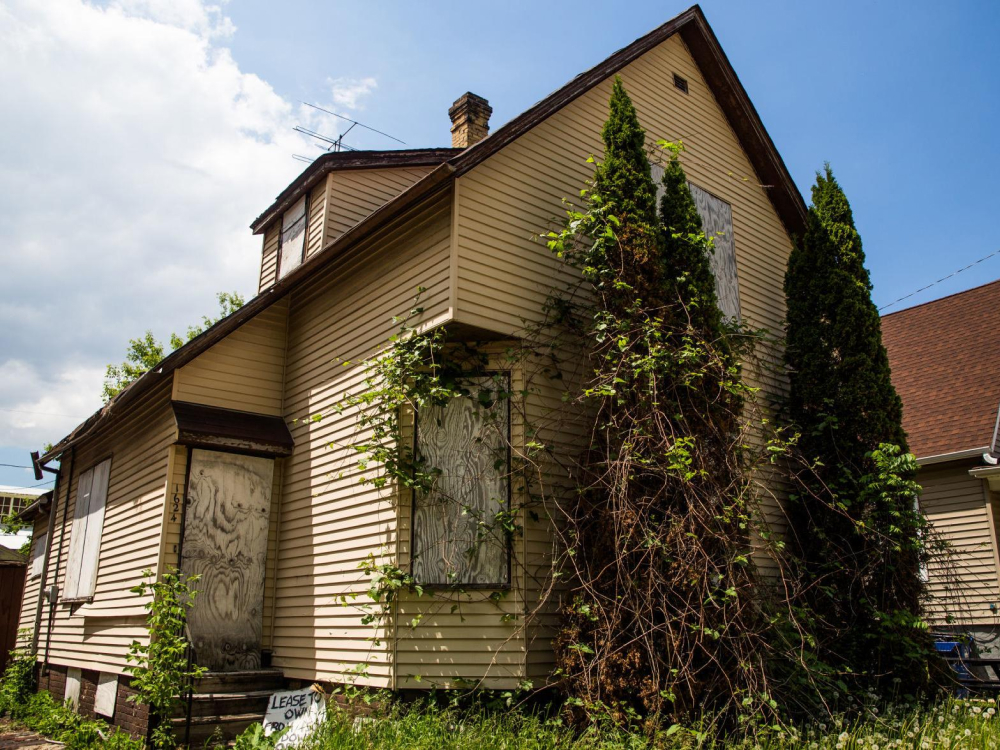
A property that needs significant repair work can be a strong opportunity for a California real estate investor, but it can also complicate financing. Banks often hesitate to lend against a property in poor condition, and their underwriting timelines rarely match the pace of a competitive offer or a seller who wants a fast close. Rehab hard money loans give investors another path forward when they need to purchase, refinance, or improve a property that does not fit conventional lending guidelines.
PB Financial Group has originated hard money and private money loans throughout California since 2006, working with investors, property owners, developers, and other borrowers pursuing value-add real estate opportunities. Rather than relying on a single underwriting formula, we look at the property itself, including available equity, acquisition price, proposed scope of work, projected value after renovation, and the overall strength of the transaction. That approach allows us to evaluate residential rehab loans on residential or commercial real estate that a conventional lender may not be able to approve.
How Rehab Hard Money Loans Work
A rehab hard money loan is financing secured by real estate that an investor is acquiring, refinancing, or improving because the property needs repairs, renovation, or repositioning before it can be sold, rented, or refinanced conventionally. Because the loan is evaluated primarily on the property and the transaction rather than a standardized underwriting formula, hard money rehab lenders can weigh factors that a bank typically will not, including the acquisition price, current condition, renovation budget, and projected value once the work is finished. PB Financial Group’s rehab hard money loan program is generally available from $100,000 up to $5,000,000.
That projected value is commonly called the after-repair value, or ARV, and it represents an estimate of what the property should be worth once the planned renovation is complete. ARV matters, but a lender does not evaluate it alone. The purchase price, rehabilitation budget, existing liens, project scope, and overall math of the deal all need to make sense together, and a low acquisition price by itself does not make a project financeable if the renovation costs or projected value are unrealistic.
A clearly defined project also makes the request easier to evaluate. Hard money rehab lenders generally want to know what the borrower is acquiring or refinancing, how much work the property needs, what that work is expected to cost, and what the property should be worth once it is finished. A cosmetic renovation involving flooring, paint, kitchens, and bathrooms presents a different scenario than a project requiring structural work, major systems replacement, or substantial redevelopment, and investors should be ready to explain how their improvements support the property’s value.
Residential Rehab Loans for Fix-and-Flip and Value-Add Investors
Residential rehab loans are commonly used by investors purchasing single-family homes, small multifamily properties, and other residential real estate that need work before they can be sold, rented, or refinanced. A property that is outdated or in poor condition may not meet a conventional lender’s standards even when an experienced investor sees clear potential in it. For a fix-and-flip investor, the acquisition price, renovation budget, projected timeline, and anticipated resale value all affect how strong the project looks, and the investor should have a realistic repayment plan rather than counting on optimistic appreciation.
Other investors use rehab financing as part of a longer-term value-add strategy: purchase and renovate the property, stabilize it with tenants, and refinance into longer-term financing once the work is complete and the property can support conventional underwriting. The right approach depends on the property, the borrower’s objectives, current market conditions, and what financing is likely to be available once the renovation is finished. Residential rehab hard money lenders typically want to understand which strategy a borrower is pursuing before structuring the loan.
Rehab Financing for Properties You Already Own
Not every rehab project starts with a new purchase. Property owners sometimes already hold a residential or commercial investment property with equity available but need capital to complete improvements, address deferred maintenance, reposition the asset, or prepare it for sale or refinance. In these situations, a hard money loan can often be structured as a refinance or cash-out transaction rather than purchase financing.
Because hard money lending is secured by real estate, available equity plays a significant role in what may be possible. A borrower with sufficient equity can often find financing options even when the property needs work or does not fit conventional bank guidelines, though the amount available still depends on the property’s current value, existing debt, proposed improvements, and overall transaction. Using that equity for rehabilitation should be treated as a financing decision, with the expected benefit weighed against the true cost of the project.
Why Traditional Lenders Decline Rehab Properties
Conventional lenders generally prefer properties that already meet established condition and underwriting standards. Significant deferred maintenance, incomplete construction, habitability concerns, or major planned renovations can make a transaction difficult to approve under standard programs, and even a financially strong investor can run into trouble if the property itself does not fit the lender’s requirements. Timing adds another layer, since distressed sales, estate sales, auctions, and motivated sellers often require a faster close than a traditional underwriting process can comfortably deliver.
The real difference between hard money rehab loans and conventional financing is not simply speed; it is how the transaction gets evaluated. Traditional lenders operate within standardized underwriting programs, while private lenders can give more weight to a property’s equity, renovation plan, and the overall strength of the deal. That flexibility is valuable, but it comes at a cost, so investors should understand the loan terms, expected timeline, and repayment strategy before moving forward rather than relying on an aggressive after-repair value to make the numbers work.
For most rehab investors, private financing is a temporary part of a broader strategy rather than a permanent solution. The plan is typically to acquire and improve a property that cannot yet qualify for conventional financing, then sell it or refinance into longer-term financing once the project is complete. Working through that next step with a lender before closing, rather than after, tends to reduce uncertainty later in the investment.
Why California Rehab Investors Work With PB Financial Group
PB Financial Group has worked with California real estate borrowers since 2006, which gives our team experience with the range of situations that come up in rehab and construction lending. We evaluate the property as it exists today alongside the borrower’s plan for improving it, and we consider purchases, refinances, value-add transactions, and other scenarios that need more flexibility than conventional financing can offer. Our goal is to give borrowers clear, direct feedback about whether private financing fits their project.
PB Financial Group operates under California DRE License #01522495 and NMLS #357614. Licensing, direct communication, and a practical understanding of real estate transactions matter most when a property is undergoing significant improvements, and investors comparing hard money lenders for rehab projects should know exactly who they are working with before committing to a loan.
Frequently Asked Questions About Rehab Hard Money Loans
What is a rehab hard money loan?
A rehab hard money loan is financing secured by real estate for properties that need repairs, renovation, or other improvements before they can be sold, rented, or refinanced. These loans are often considered when the property’s condition, the timing of the transaction, or the borrower’s circumstances make conventional financing difficult. The lender typically evaluates the real estate collateral, available equity, purchase price, renovation plan, and projected value after the work is complete.
Can I use a hard money loan to buy and renovate a property?
Yes. Hard money financing can often be structured to cover both the acquisition and the rehabilitation of an investment property, depending on the transaction and the approved loan structure. The lender will want to understand the purchase price, current condition, renovation budget, projected value, and the borrower’s plan for the property before determining how the loan can be structured. Rehab financing is not one-size-fits-all, so the full project should be reviewed early in the process.
Do hard money rehab lenders look at after-repair value?
After-repair value, or ARV, is an important part of evaluating a rehab project because it estimates what the property may be worth once the planned improvements are finished. Lenders typically do not evaluate ARV on its own, though. The current value, acquisition price, rehab costs, existing liens, scope of work, and available equity all factor into the lending decision alongside the projected ARV.
Can I get a residential rehab loan if a bank already declined the property?
A bank decline does not automatically rule out private financing. Traditional lenders often decline properties because of their current condition, renovation requirements, documentation standards, or timing, all of which fall under conventional underwriting restrictions. Residential rehab hard money lenders can evaluate the same transaction differently, placing more weight on the property, the available equity, and the overall strength of the deal.
How quickly can a rehab hard money loan close?
Hard money financing can often close faster than a conventional bank loan because the underwriting process is different, though the actual timeline still depends on the transaction. Property information, title, valuation, borrower documentation, and loan structure can all affect how quickly a deal comes together. Providing complete details about the acquisition and rehabilitation plan early in the process helps the lender evaluate the request more efficiently.
Discuss Your California Rehab Project With PB Financial Group
Every rehab project has its own purchase price, renovation budget, equity position, timeline, and investment goal, and a conversation with an experienced private lender can help determine whether rehab hard money loans are a practical fit for your property. PB Financial Group can review your California rehab loan scenario and walk you through the financing options available before you move forward. Call (877) 700-3703, contact us online, or apply now to get started.